
design thesis & research
Researching gamification in a learning environment and its relationship between motivation and engagement.
How might gamification be used to promote learning in an online environment?
Abstract
With the increase of youth using technology and games, creating engaging learning experiences poses a unique challenge. This study investigates how gamification can be used in an online learning environment. With focus on environmental protection, gamification elements were used to promote motivation and engagement amongst learners. Using the game prototype Forest Friends: Protectors of the Wild, participants tested the relation between gamification and engagement. Results revealed a positive correlation and that the combined use of gamification elements such as quests and storytelling elements created positive engagement and motivation for players to complete the game. These results suggest that integrating gamified elements in online classrooms can increase positive behavioural shifts towards sustainability and environmental protection, as well as increased engagement from learners.
Objective
The scope of this project addresses gamification principles such as motivation and engagement, as well as the learners in a digital environment. The educational game Forest Friends that is an outcome of this project answers this question by teaching students about the importance of environmental protection through a gamified experience. This game can be used in an educational setting, such as an online classroom.
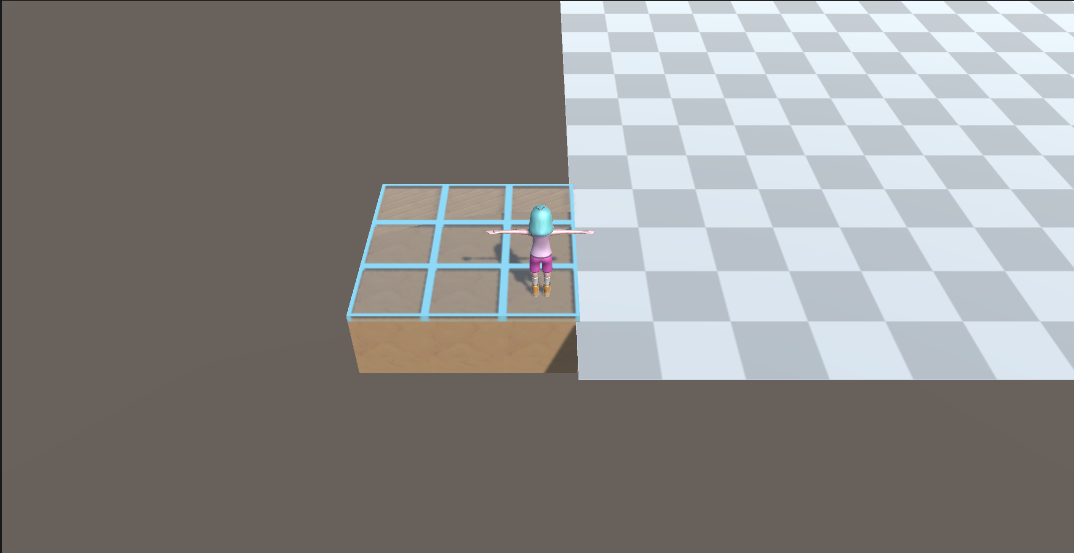
Development of first quest: planting seeds and growing flowers
Development of final quest
How and Why Does Gamification Work?
Adding game elements to traditional learning settings can increase overall participation by incentivizing and motivating individuals. Additionally, gamification successfully works by using human behaviour and motivation to connect reinforcement and emotion (Robson et al., 2015).
By focusing on the key concepts of mechanics, dynamics and emotions, learners can build attachment and be conditioned to complete specific tasks for incentive. A driving factor of gamification is motivation.
Motivation can be divided into intrinsic and extrinsic motivation. Intrinsic motivation occurs when an activity is completed for inherent satisfaction, while extrinsic motivation occurs when an activity is completed for incentive (Manzano-León et al., 2021). Both types of motivation contribute to engagement and emotion within gamification.
Research Findings
Articles such as “Effectiveness of gaming for communicating and teaching climate change,” by Meya & Eisenack, (2018) have discussed positive attitude shifts towards climate change and water conservation after users have played board games such as Water Ark and Ocean Limited. However, the long-term effects of these games have yet to be critiqued.
A common output of gamification explores extrinsic motivation, which occurs through the use of points, badges and leaderboards (PBL). These elements of gamification may show initial commitment to a game or behavioural change but can lead to demotivated students overtime (Manzano-León et al., 2021).
However, “meaningful gamification” can also occur, which uses game design elements such as play, choice, exploration, engagement and reflection (Johnson et al., 2017). Elements of PBL correlate with “rewards-based gamification” which “may be suitable for immediate and short-term changes, but that for long-term change, meaningful gamification may be required. (Johnson et al., 2017).
Conclusion
Reflection
Before this project, I had little knowledge of game design. Prior to my MSc, I had no experience with 3D modelling, programming and games. I now have a better understanding of 3D modelling in Maya, coding with C# and putting it together within Unity.
Further improvements: continued user testing, steadier camera movement, improving quest narrative, considering cause and effect for the learner and step-by-step guidance for younger demographics.
Future studies can be conducted regarding the topic of how long positive behavioural changes towards climate change may last.